
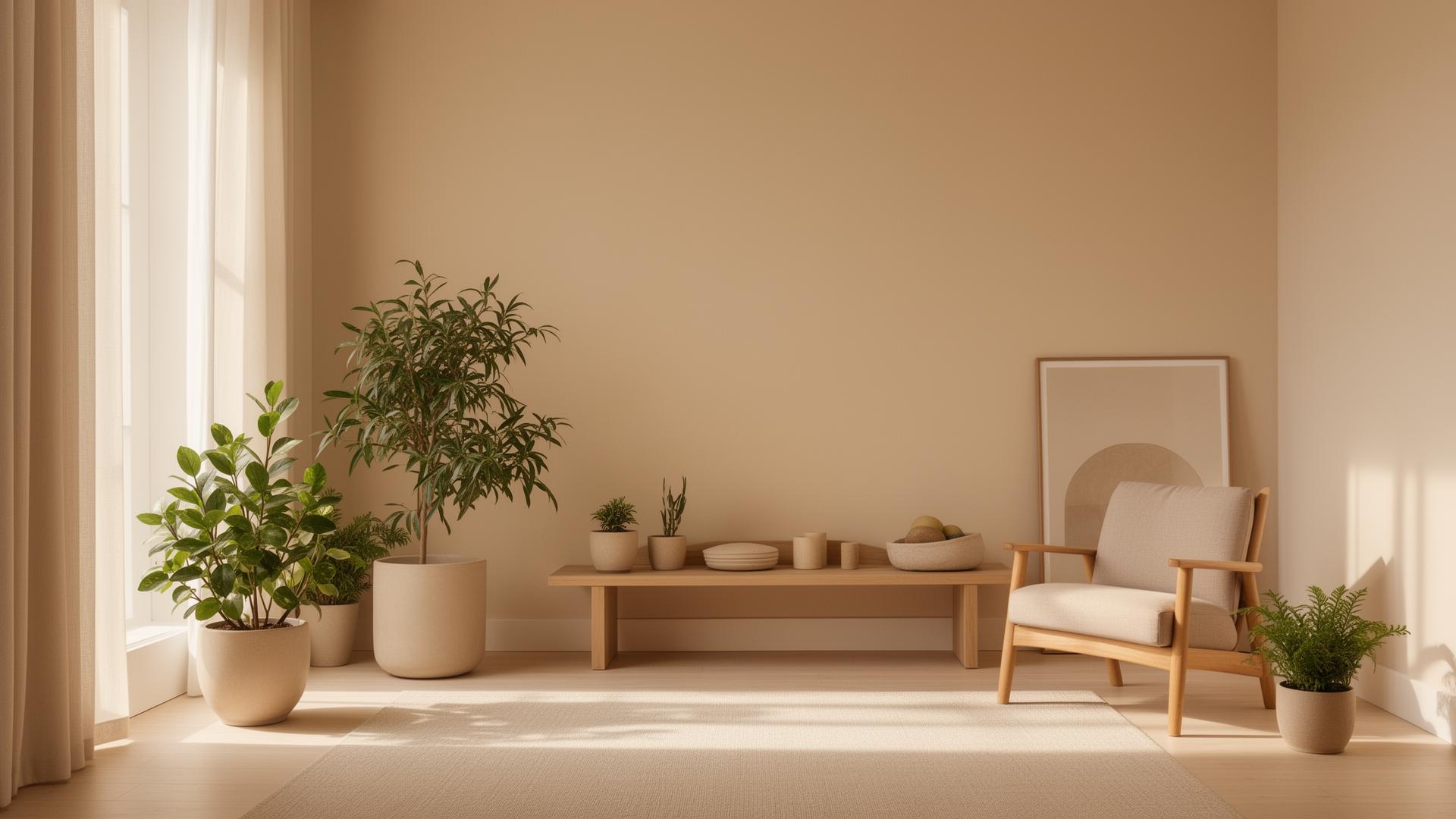
The state of our physical environment directly impacts our mental state. Clutter creates visual noise that can increase stress and make it harder to focus. Minimalism offers a path to greater mental clarity.
The Psychology of Clutter
Research shows that cluttered environments:
- Increase cortisol (stress hormone) levels
- Reduce our ability to focus
- Create feelings of guilt and anxiety
- Impair our decision-making abilities
Minimalism as Mental Health Practice
Minimalism isn't about owning a specific number of items or living in a stark white room. It's about intentionally curating your space to include only what adds value to your life.
Getting Started
The One-In-One-Out Rule
Before bringing something new into your space, remove something. This prevents accumulation and forces intentional decisions about what you truly need.
Start with One Space
Don't try to declutter your entire home at once. Choose one drawer, one shelf, or one corner. Complete it fully before moving on.
Ask the Right Questions
For each item, ask:
- Have I used this in the past year?
- Does this bring me joy or serve a purpose?
- Would I buy this again today?
Digital Minimalism
Don't forget your digital spaces:
- Unsubscribe from emails you don't read
- Delete apps you don't use
- Organize your files and photos
- Clear your desktop
The Benefits You'll Notice
- More mental energy for what matters
- Easier time making decisions
- Reduced time spent cleaning and organizing
- Greater appreciation for what you have
- Increased sense of calm at home
Minimalism is not about deprivation. It's about making room for more of what truly matters.